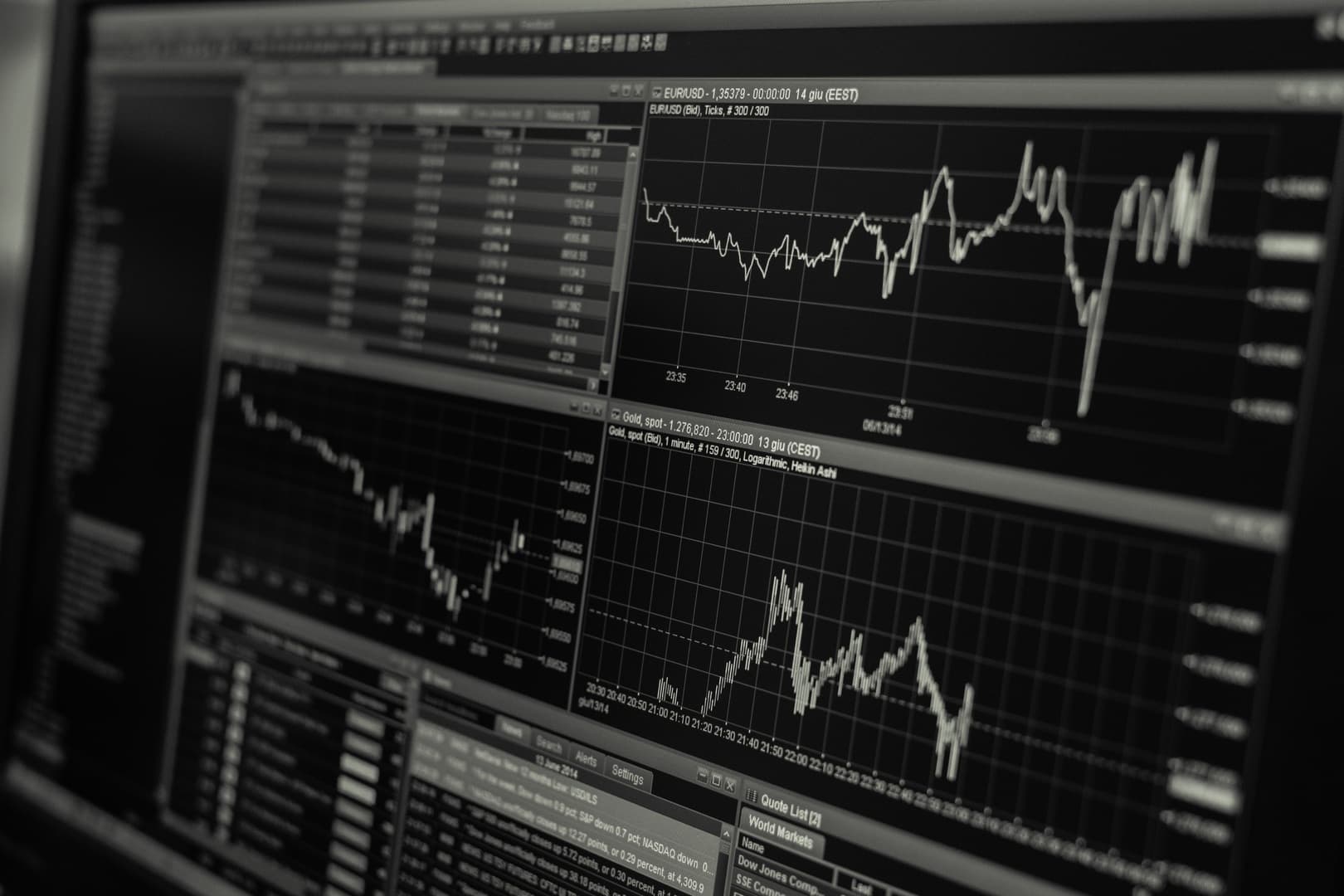
Every Crash Recovers — What Nifty's History Actually Shows
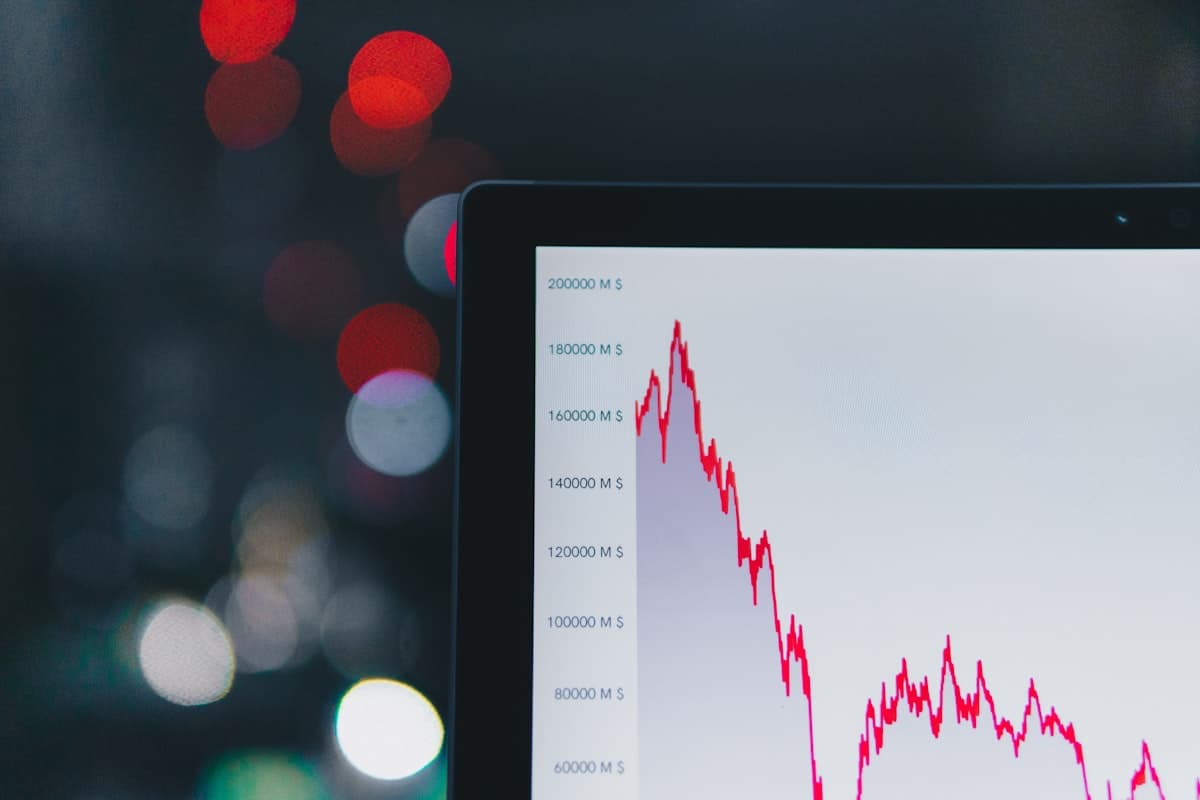
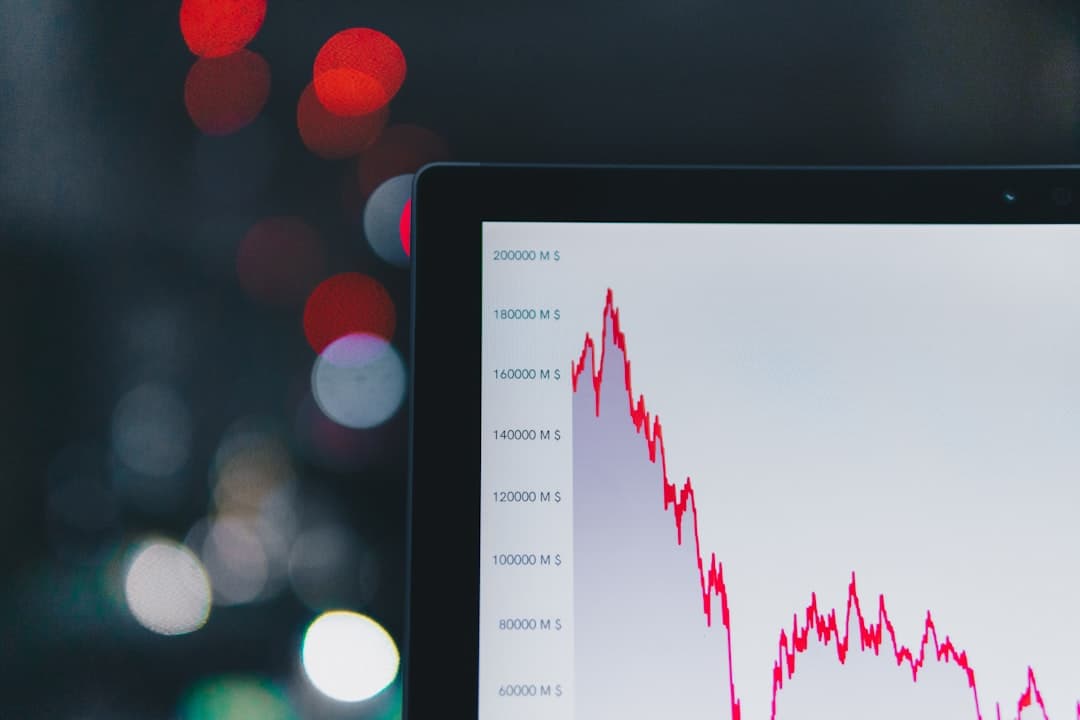
Nifty has crashed 8 times since 2000. Every single time, it recovered to new highs. ₹1 lakh invested at the 2008 bottom is worth ₹8.8 lakh today. Here is the full data.

while25 · Journal
We publish practical breakdowns on market structure, execution, risk, and the mistakes that quietly cost traders money.
What you’ll find here
No recycled “trading motivation.” Just sharper explanations, original context, and writing built to be useful on both mobile and desktop.

Nifty has crashed 8 times since 2000. Every single time, it recovered to new highs. ₹1 lakh invested at the 2008 bottom is worth ₹8.8 lakh today. Here is the full data.


India imports 88% of its crude. When Brent spiked 75% in 27 days during the Iran crisis, Nifty crashed 11%. Here is exactly how oil prices flow through to your stock portfolio.

Four companies announced buybacks in April 2026 alone. New tax rules under Finance Bill 2026 now favour retail investors over promoters. Here is how buybacks work and whether you should participate.

MCX gold fell from ₹1.91 lakh to ₹1.52 lakh in three months — the worst drop since 2013. Here is what actually caused it and whether this is a buying opportunity.

Indians poured a record ₹32,087 crore into SIPs in March 2026 — during a market crash. The data shows why continuing SIPs in bear markets builds more wealth than stopping.

89% of F&O traders lose money. The survivors all have one thing in common — they cut losers early. A practical guide to stop-losses with real Indian stock examples.

A no-nonsense 5-minute checklist to decode Q4 FY26 results — sector metrics, management buzzwords, and traps to avoid.

FPIs pulled ₹1.8 lakh crore from Indian stocks in FY26 — the worst year ever. DIIs now own more of India than foreigners do. Here's the full picture.

TCS posted its first-ever dollar revenue decline since its 2004 IPO. Yet profits hit a 4-year high. The AI paradox playing out here is worth watching.

Engulfing patterns work 55–65% of the time with volume confirmation. Hammers hit about 60%. Doji candles alone? Barely 50%. Here is what separates signal from noise on NSE charts.

With a 1:2 risk-reward ratio, you only need 34% accuracy to break even. Most retail traders chase 80% win rates when 40% with the right math would beat them.

Nifty rallied 6% last week — its best in five years. Q4 earnings from HDFC Bank and Infosys, Iran-US peace talks, crude oil, and March CPI decide what happens next.

NSE's levy table shows a Rs 2,000 delivery profit can lose Rs 217 before brokerage. Most traders only notice after months of churn.

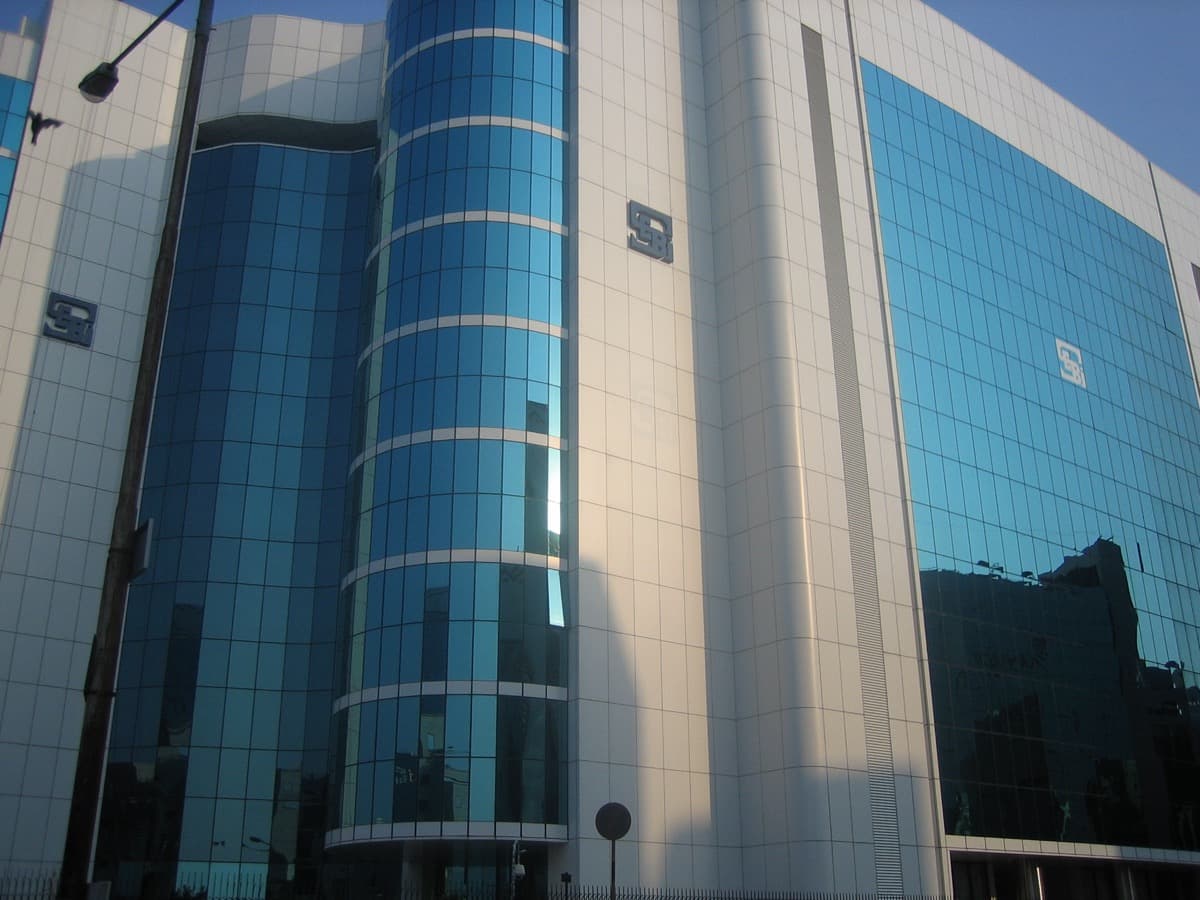
SEBI's April 10 order came after a stock moved from Rs 15 to Rs 10,887. The bigger lesson is how retail money gets pulled into fake stories.

A stock hitting upper circuit looks like easy money until it reverses with no buyers. Here's why small-cap circuits can trap your capital.

India VIX measures market fear and it fell 7% on April 10. Here's what the fear gauge is, how it works, and how to use it in your trading.

On April 10, Nifty closed up 1.16% while Nifty IT fell 2%. TCS reported 12% profit growth and still fell 3%. Here's the logic behind it.

Infosys reported Q4 PAT growth and still fell 4%. TCS grew revenue 10% and fell 3%. Understanding this expectations gap is critical.

India's defence stocks rallied while the broader market sold off 13%. Here's the structural story behind HAL, BEL, and defence spending.

Most traders focus on expiry day but the real theta spike happens the day before. Here's what happens to your premium in the last 18 hours.

VWAP isn't on most retail apps, but it's the reference level for every institutional desk and algo on NSE. Here's how to use it.

FPIs pulled 28,000 crore from Indian markets in March 2026. The rupee hit 93. Here's why they left and what history says happens next.

Gold crossed 75,000 per 10 grams on April 8, 2026 as global risk-off sentiment surged. Here's why gold rises in crises and how to own it.

Nifty surged 4% on April 8 after weeks of selling. After every crash comes a sharp bounce but most fail. Here's how to tell the difference.

A 20% drawdown is painful but the costliest mistake isn't the loss itself. It's what investors do next. Here's the data on what works.

RBI kept the repo rate at 6.5% for the fifth time. With oil above $110 and inflation at 5.2%, cuts are off the table. Here's what it means.

Nifty is down 13% but Power Grid is up 4% and HAL up 7%. The money rotated. Here's which sectors win and lose in an oil shock.

The 1992 scam wasn't just India's largest financial fraud — it forced markets to modernise. Here's what happened and why it still matters.

Most trading journals fail because they become homework. A useful journal is short, consistent, and focused on decisions you can improve.

Most traders focus on entries first. The traders who last focus on position size first. This one habit protects your account more than any indicator.

Indian markets did not grow in a straight line. They were shaped by brokers, scams, reforms, technology, and millions of new investors entering the system.

Most traders only use market and limit orders. But the difference between a careless order and the right order can change your entry, exit, and risk completely.

Most traders know they need a stop-loss. The damage happens in how they place it, move it, or ignore it in live pressure.

SEBI can make markets cleaner and brokers safer. What it cannot do is save you from bad sizing, bad tips, or trades you never understood.

Most traders do not fail because they picked the wrong stock. They fail because costs, sizing, bad habits, and poor execution quietly kill them first.

Overtrading is usually not a strategy problem. It is a behaviour loop driven by boredom, FOMO, and the need to recover quickly after a loss.

Intraday sounds exciting and swing sounds calmer, but the real difference is lifestyle, costs, pressure, and the kind of mistakes you are most likely to make.

Most bad trading days start before the first order. A simple pre-market checklist helps you avoid forced trades and enter the session with clarity.

Quarterly results look intimidating until you know what to scan first. This checklist helps you judge whether a stock story is improving.

In 24 trading sessions, the Sensex fell 33%. 45 lakh crore vanished. Here's the full story and what investors who stayed calm gained.

Every Thursday, a predictable wealth transfer happens — from retail option buyers to market makers. Here's the exact mechanics.

The index is up. Your portfolio is red. Market breadth explains why — and helps you see what's really happening beneath the headline number.

Moving averages are everywhere in retail trading but most traders use them wrong, chasing lagging crossovers. Here's how to use them right.

Every option you buy loses value overnight — whether the market moves or not. This is theta, and it's the main reason most retail options traders lose money.

Same ₹5,000 a month. Same mutual fund. But starting 10 years earlier creates a gap so large it changes your retirement completely.